
Fire retardant wood
Fire class
B & D

Fire classes for facade claddings
Fire retardant materials limit the spread of fire and the development of smoke. In this way, they ensure longer escape times, safer escape routes and less structural damage. This is why the government legislated the requirements for the fire safety of facade cladding (and thus for a fire-safe facade).
There are no requirements for single-family houses. For these, a wooden facade without a fire class is sufficient. However, depending on the building height, public buildings (e.g. stores and offices) and buildings with multiple dwellings (e.g. apartments and hotels) must have a facade that meets fire class A, B, C or D.
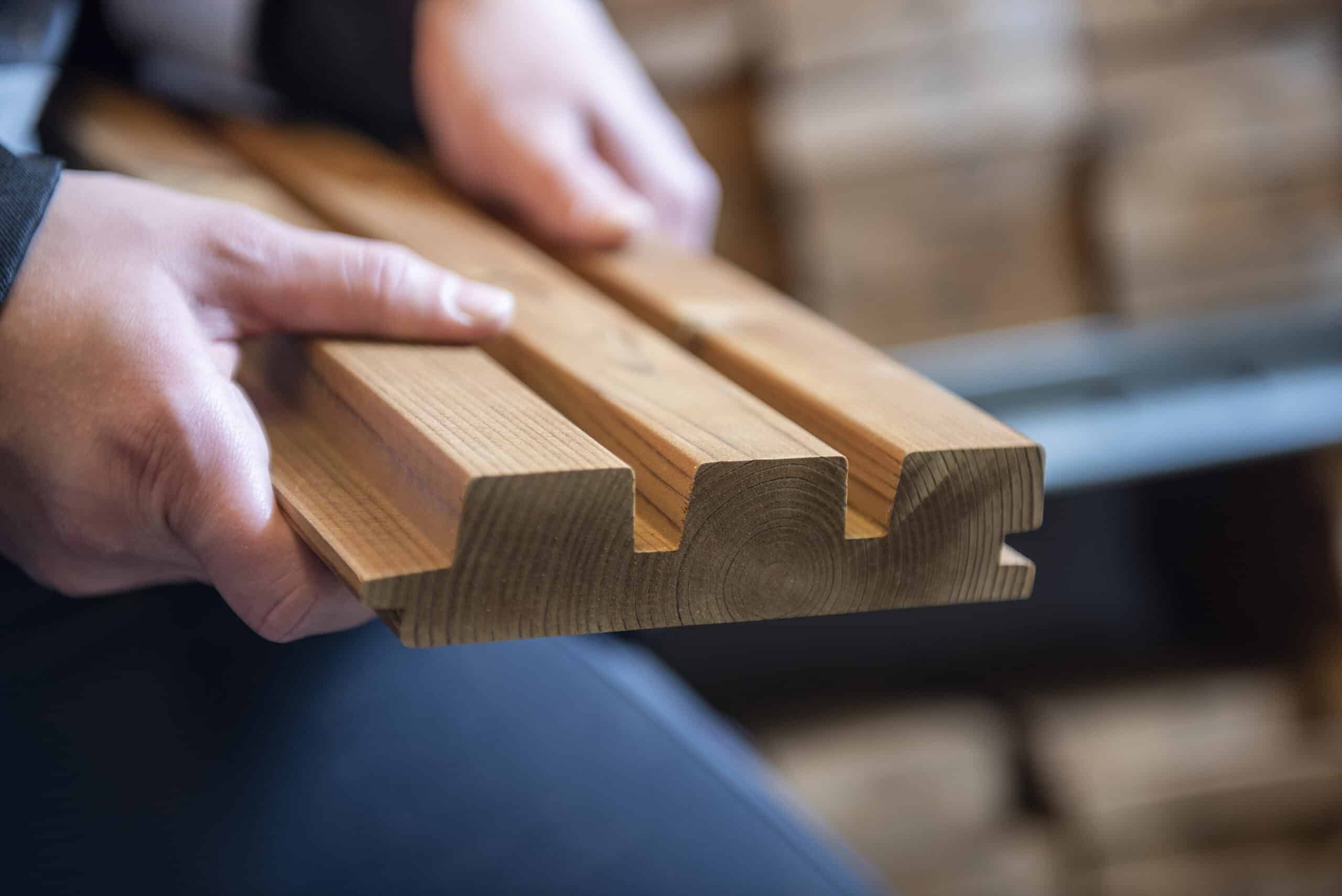
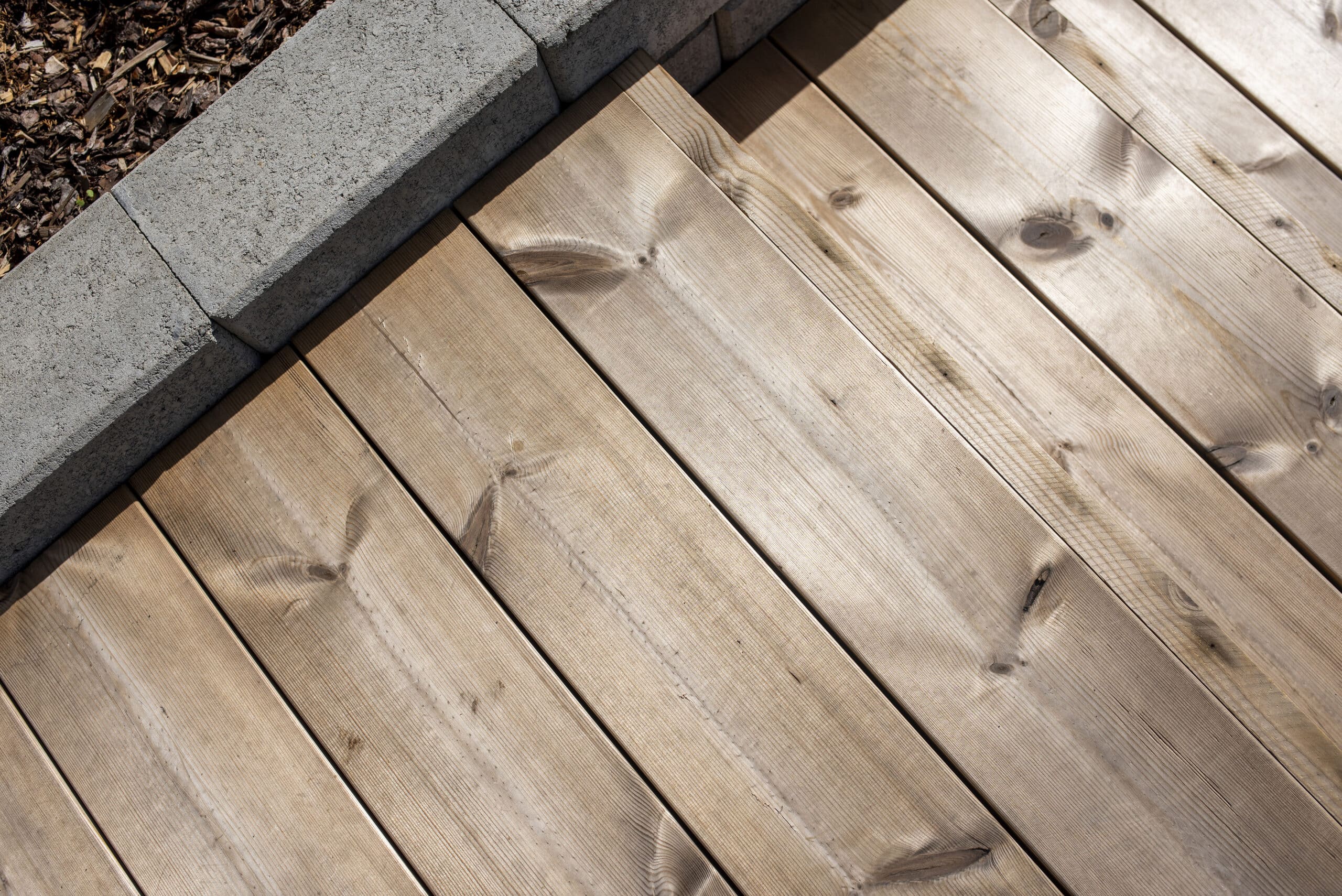
All about fire retardant wood
Which fire class a material belongs to is determined by subjecting it to various fire tests. Many wood claddings meet fire class D without further treatment, making it suitable as cladding for large buildings subject to the least stringent regulations.
At Stevens Wood you will find a variety of untreated wood species, both in softwood and ThermoWood. We offer most wood profiles in various wood species from stock. Moreover, since 2024 all thermally modified wood must be tested before it can comply with fire class D. Stevens Hout has tested all its profiles and therefore offers most profiles from stock with fire class D.
Are you choosing finished cladding for your building? Then the wood including the finish must be tested for the required fire class. Once again, Stevens Wood offers a wide range of wood species, which we will custom finish if required while maintaining fire class D.
3x fire retardant wood of fire class B
Wood impregnated and then baked in oven (polymerization)
Advantages
- Product binds into the wood
- Demonstrated long-term fire retardant effect even without finishing
- Completely maintenance free
Cons
- Most expensive option
Treating wood with fire retardant paint
Advantages
- Relatively easy and therefore cheaper
- Visually clear when to re-treat
Cons
- Wood cannot age naturally
- Simple treatment should be repeated regularly (once every 10 years or so)
Wood impregnated with salts
Advantages
- Cheaper than polymerization
Cons
- Without an intact protective layer (finish), salts leach out
- White markings on the wood
- Fire retardant effect reduces/disappears
- Intensive maintenance required
Protecting the facade of your project to standards? Stevens Wood offers all 3 of these methods. We favor polymerization because of its long-term lasting effects. The product is firmly embedded in the wood, so maintenance is not required. This more than offsets the additional cost of this treatment.
Giving the wood a fire-retardant coat of paint is a worthy alternative. Just keep in mind that this siding requires maintenance. The good news: a simple visual inspection will suffice. Is the paint layer wearing off? Then apply a new coat. Usually this is not necessary until 10 years after application at the earliest.
The long-term efficiency of impregnated salts is much debated. When the salts leach out, both the visual appearance and fire safety of the facade diminish. That’s why you need preventive maintenance of the protective finish layer. And when the salts are out of the wood, your facade is no longer fire-resistant.
Contact us for your fire retardant wood
For specific advice, contact the experts at Stevens Wood. For more than 90 years, our family-owned business has imported, handled and traded a variety of wood species. We will be happy to review your challenge together.
