
Softwood
Softwood importer
At Stevens & Co you will find ample supplies of the finest softwood lumber from Europe and America. We are an importer and distributor of various types of traditional and thermally treated softwoods.

What is softwood?
Softwood is not necessarily softwood. While hardwood comes from deciduous trees, the term softwood refers to wood from conifers such as spruce and pine. Softwood trees naturally grow back quickly . This makes softwood an environmentally friendly alternative to tropical hardwood. Softwood also has a lower density and is therefore easier to work with.

Discover softwood
- Softwood pine
- Softwood spruce
- Types of softwood lumber
- Characteristics of softwood lumber
- Advantages and disadvantages of softwood lumber
- Softwood treatment
- Applications of softwood lumber
- How much does softwood lumber cost?
- Are pine softwoods?
- How long will softwood lumber last?
- Softwood timber quotation request
- Why we believe in softwood lumber
Types of softwood lumber
The best-known examples of softwoods are spruce and pine, but in addition there are other types of softwoods.
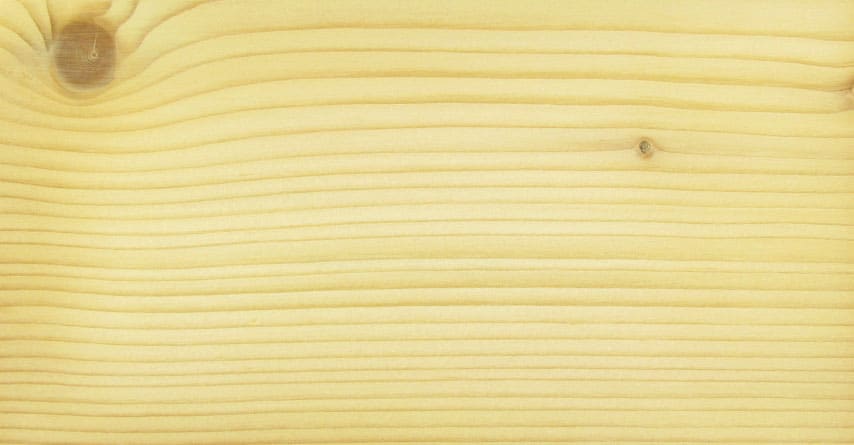
Spruce
Spruce is the wood of the Norway spruce. It is stable and elastic. This makes spruce perfect for trusses, structures and door frames as well as flooring and furniture. In terms of color, spruce is whitish to cream in color.
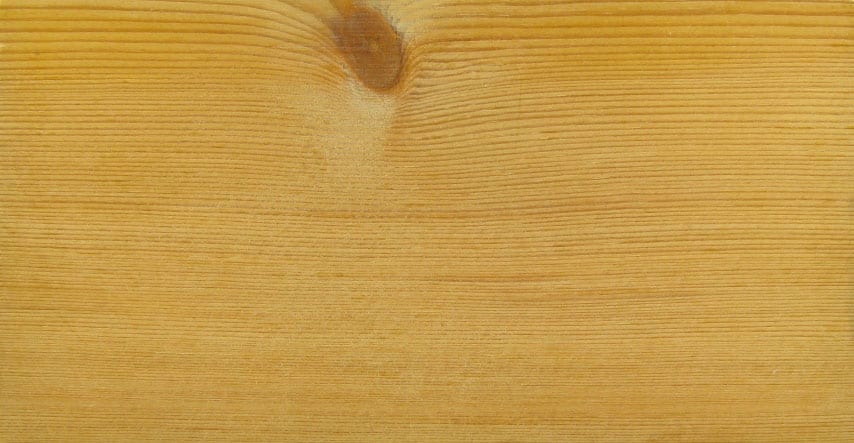
Pine
Pine is wood from the Scots pine. It is one of the most commonly used softwood species because it is easily worked. Pine becomes darker after exposure to light. The color ranges from white or light yellow to reddish-brown-yellow.

Douglas
Douglas is the wood of the European Douglas fir. It is a durable wood species suitable for both indoor and outdoor/garden projects. Douglas wood is salmon-colored to reddish-brown and discolors in shades of red with light.

Larch
Larch is the wood of Lorken. It is a sturdy wood species that has a very wide range of uses from sheet material to waterworks. The heartwood is reddish brown and darkens to the light and with aging
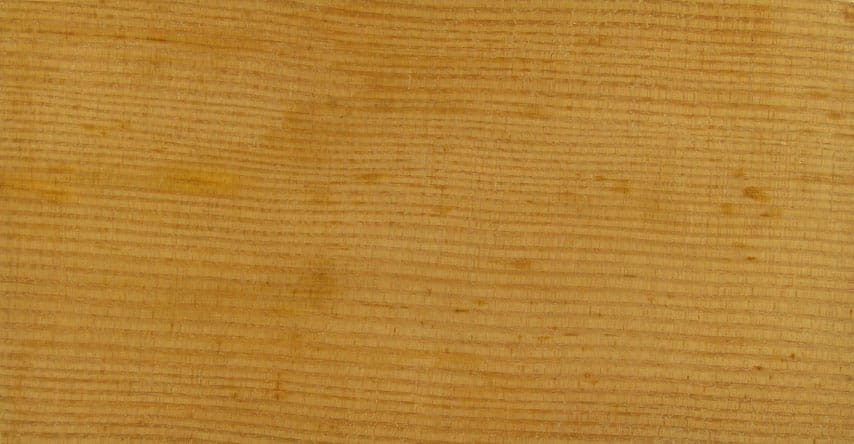
Oregon Pine
Oregon Pine is the wood of the European Douglas-fir. It is a durable and sturdy wood species with a wide range of uses. Oregon pine wood is salmon-colored to round brown and discolors in shades of red by lying.
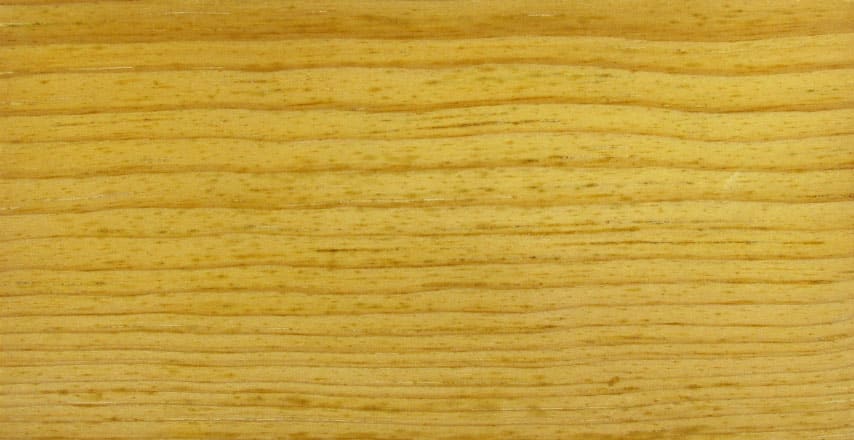
Southern Yellow Pine
Southern Yellow Pine is a collective name for several botanical woods from the Southeastern United States. The wood is easily worked both by hand and machine. The heartwood is light yellow-brown.
Western Red Cedar
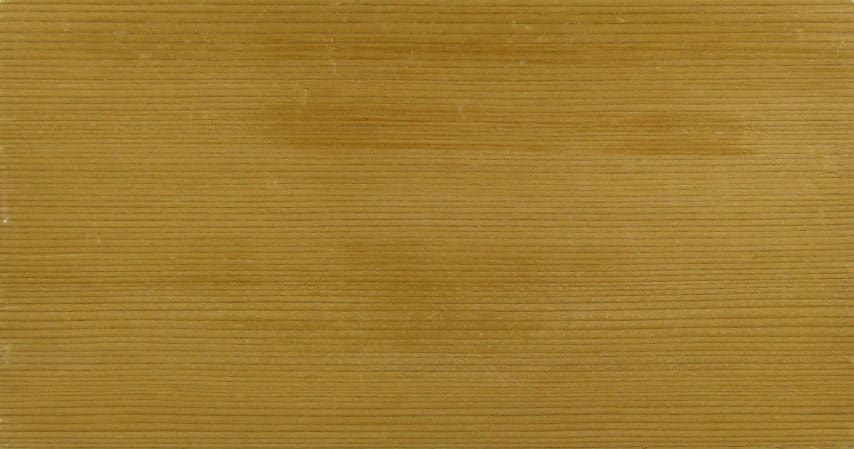
Western red cedar is the wood from the Cupressaceae family. Western red cedar wood exists in numerous different colors. From light yellow-brown, through pink-brown and salmon color to chocolate brown.

Characteristics of softwood lumber
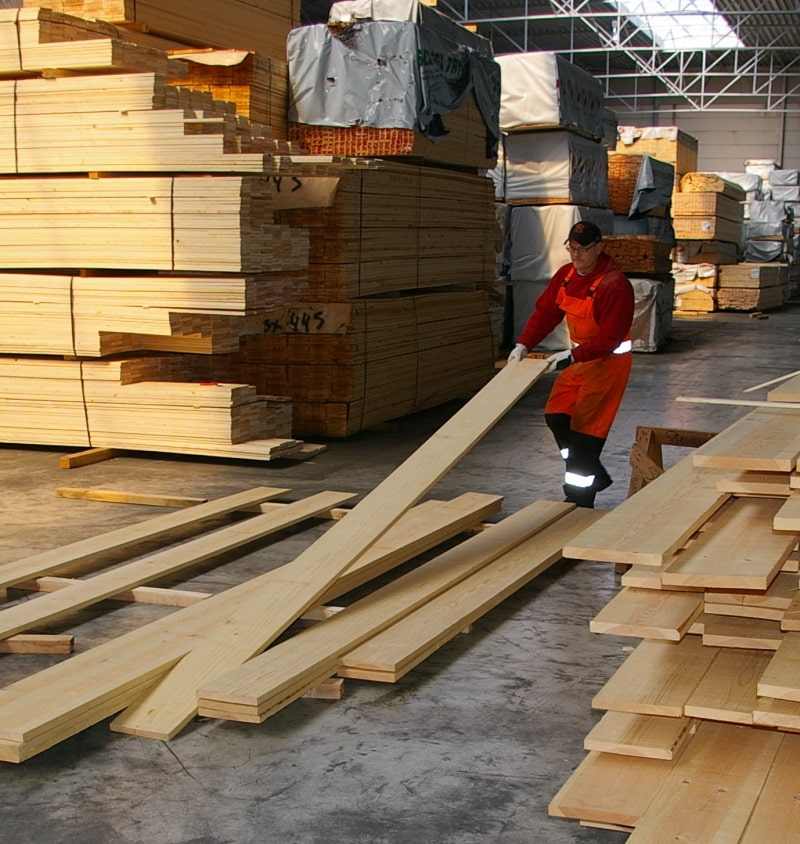
In its natural state, softwood is less hard than hardwood and therefore easy to work with. This makes softwood ideal for indoor applications such as parquet and plank floors, walls, ceilings, railings, roof overhangs, stair treads, benches, furniture, and so on. After thermal treatment, most softwoods can also be used outdoors.
The advantages and disadvantages of Softwoods
The pros and cons of softwoods depend on the application. Therefore, always get information from a wood specialist.
Softwood benefits
- Easily machinable
- Smaller ecological footprint
- More affordable than hardwood
- Thermally treated is as durable as hardwood
Disadvantages softwood
- Lower density
- Not for every application
What is the difference between hardwood and softwood?
The difference between hardwood and softwood has nothing to do with the strength of the material, but everything to do with the species of tree. Hardwood comes from deciduous trees that bear fruit. Hardwood is also sometimes called hardwood . Softwood is wood from conifers such as pine or spruce. Softwoods have seeds that fall to the ground instead of fruits.
Softwood treatment
Provided proper treatment, softwood can be made as durable as hardwood. The best treatment depends on the type of wood and the final application:
- Treating against blackening
- Impregnation for outdoor use
- Fit for construction
- Heat treatment for outdoor use
- Paint, varnish, wax or stain application

Softwood: applications
Can I use softwood for outdoor use?
Softwood can be used both indoors and outdoors. However, it is important to consider the type of wood, treatment and durability class. Some types of wood are naturally more resistant to mold, wood rot and termites than others. Some softwood species are only suitable for indoor use, others can be used outdoors after preservation, and some species can even be used outdoors untreated. So feel free to ask us for advice.
Are pine hardwood or softwood?
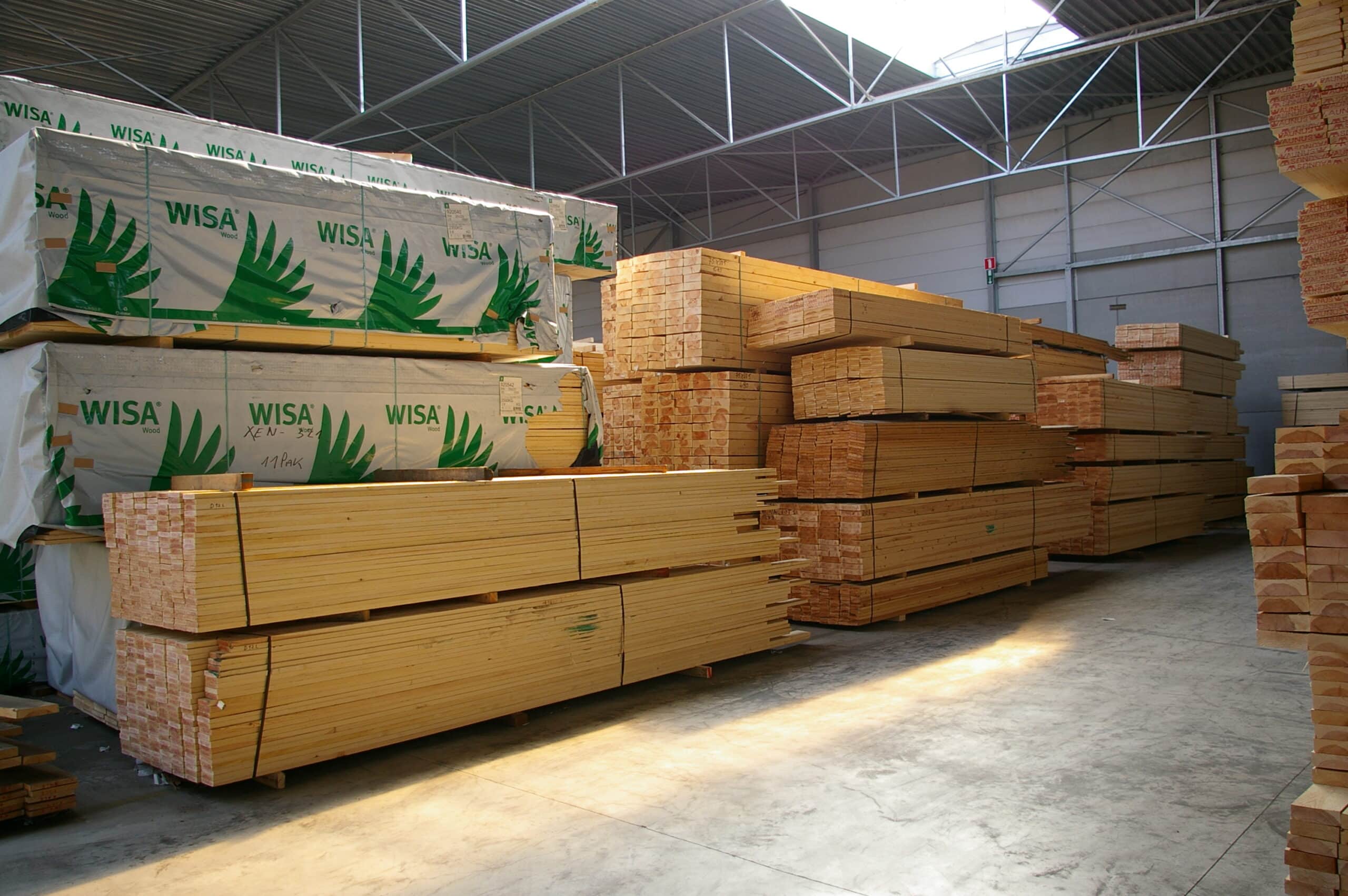
Pine is softwood. It is a type of wood derived from the coarse pine, also called rough pine (or Pinus sylvestris in Latin). Pine is easy to work with. One can drill, mill, sand, nail, screw and glue it without difficulty. The wood species is therefore often used in the furniture industry or for stairs, walls, floors and ceilings. After heat treatment, pine can also be used outdoors for cladding, rafters and fences.

How long will softwood lumber last?
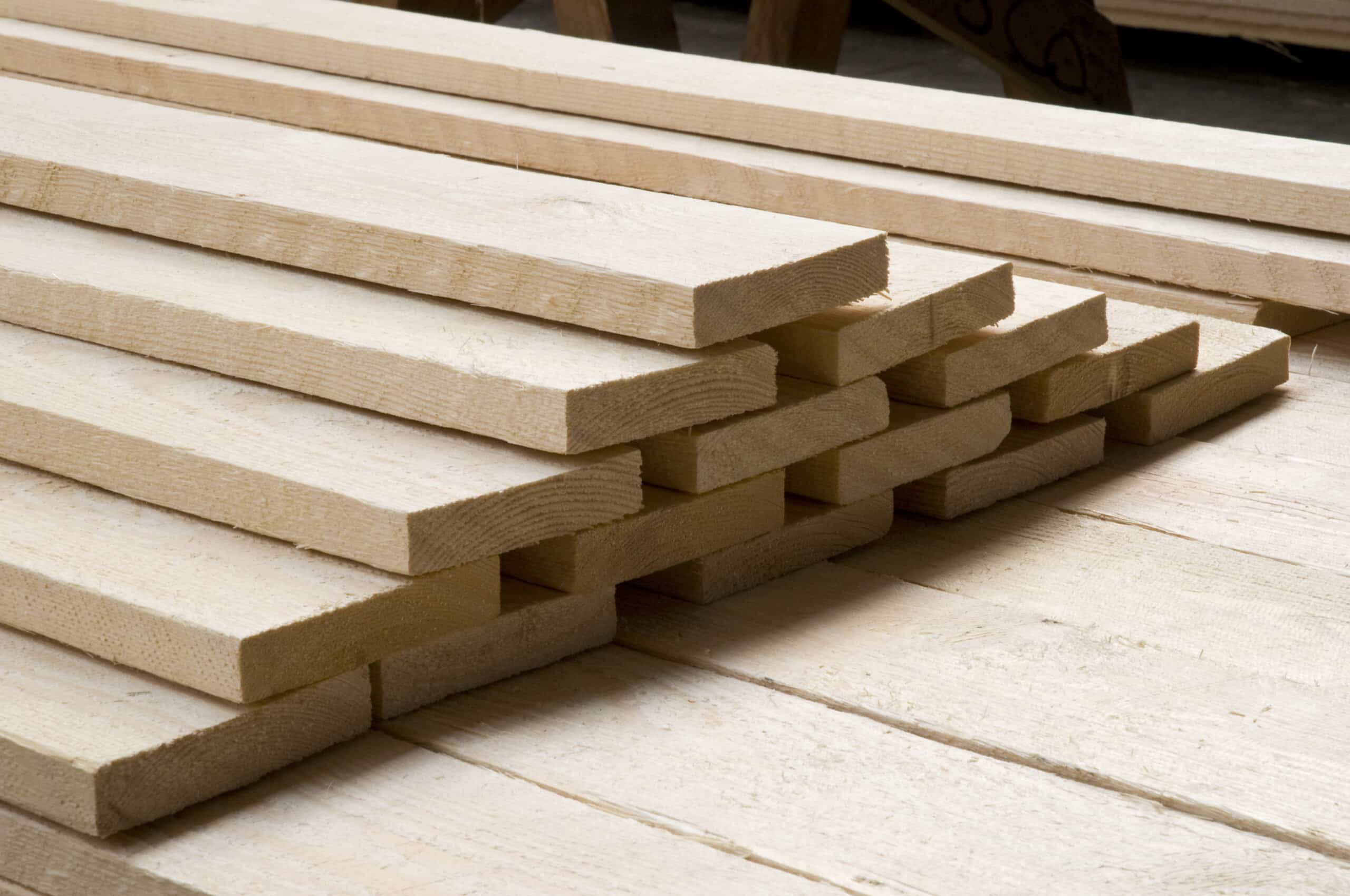
It depends on the durability class: class I is very durable and has an average lifespan of more than 25 years.Durability class II is considered durable (lifespan of 15 to 25 years). Durability class III is moderately durable (10 to 15 years), durability class IV is not very durable (5 to 10 years) and durability class V is not durable (less 5 years). Also important is how resistant the wood is to insects, whether the wood is treated and what conditions it will be used in (indoors or outdoors). So always seek the advice of a wood specialist.
We believe in softwood
Since 1936
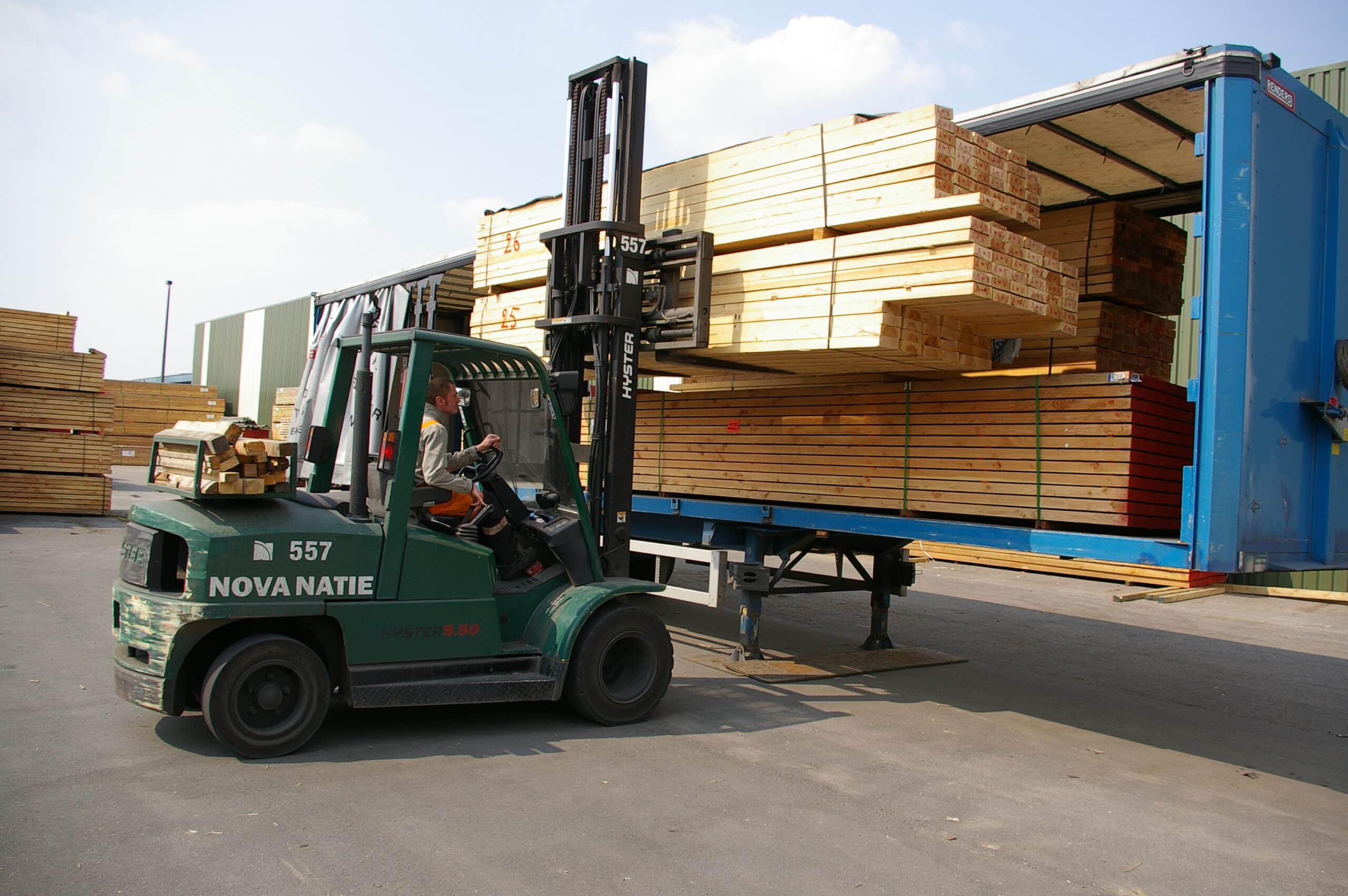
Stevens & C° is a family business with a long history dating back to 1936. The company still specializes in softwood lumber, while also focusing on innovative products such as ThermoWood®. Timber traders and importers from home and abroad can turn to Stevens & C° for the best softwood lumber from Canada, Finland, Scandinavia, Russia and the Baltic states.
Softwood timber quotation request
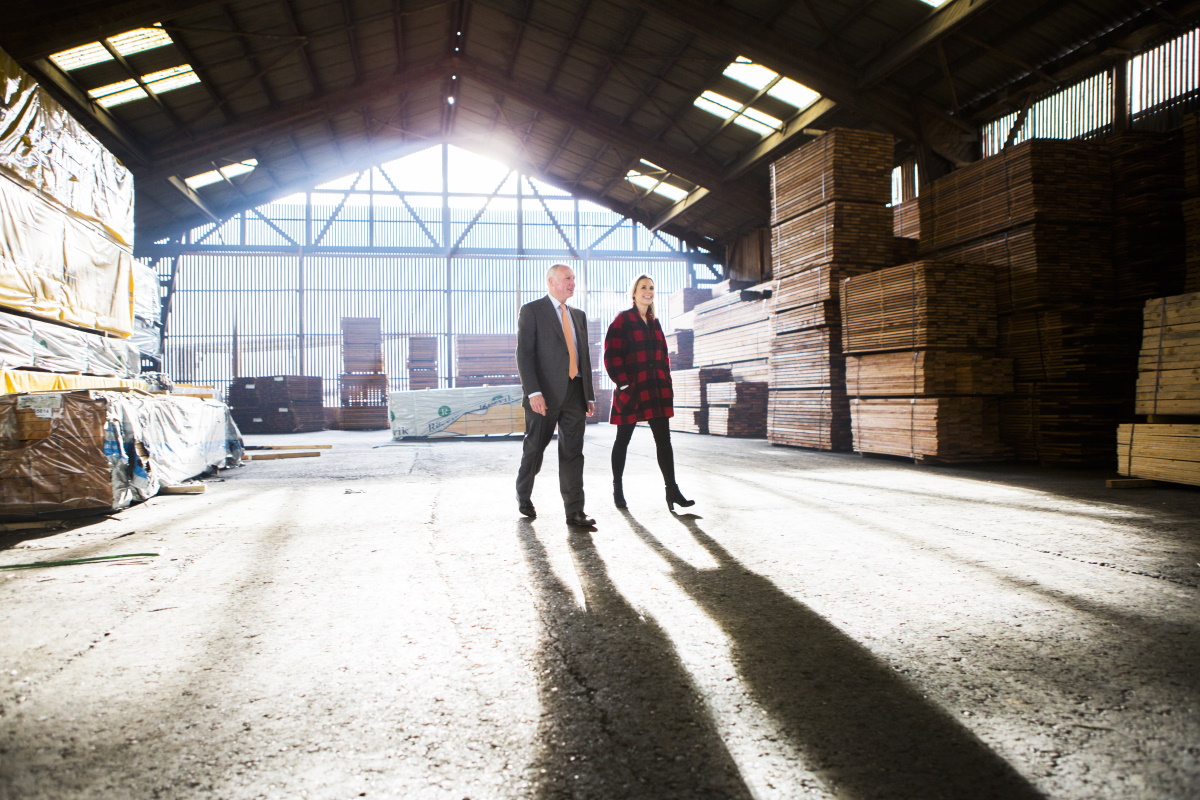
As a lumber dealer or wood importer, you have come to the best place for softwood lumber advice and purchasing. Contact us for a no-obligation visit from our representatives, or ask us for a quote right away. We are happy to help you choose.
